
The Eight Amendment... Define "cruel and unusual"
My stance on most of the amendments in the Bill of Rights is pretty clear. However, this one falls in a gray area, and it makes me enjoy discussing it even more.

Excessive bail shall not be required, nor excessive fines imposed, nor cruel and unusual punishments inflicted.
This is a fun one to discuss. Not because of the last article where we talked about the most extreme form of punishment: The death penalty. But because there are some pretty hilarious examples of punishments that some might consider cruel, while others tend to consider quite appropriate.
But we’ll get into that later. For now I want to quickly address the first two clauses of the Eight Amendment before we jump into the third, which is the most heavily debated.
Bail and Fines
This is pretty straight forward. Because people can be held in confinement prior to trial, bail can’t be so excessive that it circumvents the court system by effectively placing people in jail without trial.
I remember a patrol sergeant from my early days as a police officer who was once a human trafficking detective. He explained that he wouldn’t recommend higher bail numbers for indigent (homeless or extremely poor) suspects because the judge would just slap down the bail to a nominal fee anyway.
This wasn’t because the judge had a bleeding heart. It was because the judge recognized a homeless man couldn’t afford a million dollar bail even if the everyday citizen thought they deserved it. So, rather than violate the Eight Amendment, they’d give a more reasonable sum. I can’t guarantee the Eight Amendment was the reason, but I’d wager it certainly had a cumulative effect.
Fines fall in the same vein, although they’re far lower stakes than something like making bail. Regardless, I’m glad the founding fathers addressed fines, as excessive fines can lead to something from our unenlightened past: debtors prisons.
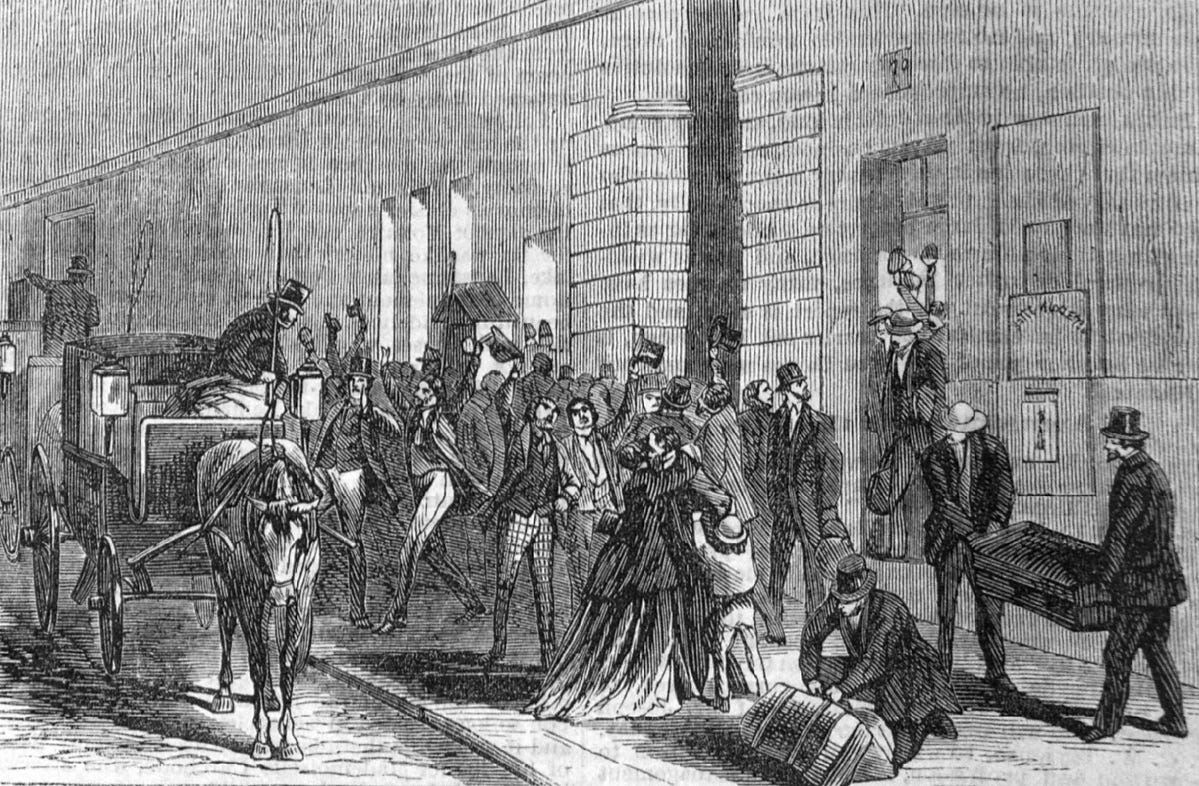
With excessive fines that can’t be paid, the next logical step would be to place someone in prison until they could earn the funds to pay off the fine. If this makes you wonder how someone could possibly pay off a fine while stuck in prison, I have an ugly truth to tell you: Debtors prisons were, in many cases, labor camps.
The court system in the United States today is bogged down in a backlog of cases stretching back several years. Part of this is due to under staffing. Most of this is due to the response to Covid, which effectively halted the justice system for months or even years depending on which state you live in.
Not to take away from the final section of this article, but I’d like to point out that the excessive bail and fines portion of the Eight Amendment has certainly been put to the test as defendants have waited months or years to have their day in court. The reasons aren’t malicious; they’re far more insidious. They’re simply because the justice system is at a breaking point.
Cruel and Unusual Punishment
Now, onto the meatier stuff. Let’s talk about cruel and unusual punishment. It’s an interesting phrase, isn’t it? It’s highly subjective. What might be considered cruel and unusual to one person might be considered justice to another. This isn’t a judgment on either party. Merely an acknowledgment of differing life experiences.
I get the sneaking suspicion that the founding fathers had that in mind, at least to some degree. They intended the Constitution to last well beyond them. Well beyond their time and the culture surrounding it. Given that they just won a revolution and created a country, I’d wager they weren’t unfamiliar nor uncomfortable with the concept of change. The Constitution has been called a “living document” for a reason, after all. It’s meant to be interpreted based on the realities of the present.
So, the concept of cruel and unusual punishment seems to me like it was left up to the interpretation of those who would come after the founding fathers. Each generation, through the rules laid out in the Constitution surrounding the judicial branch, could have their own interpretation of this amendment. Without that, and many other examples, the Constitution wouldn’t work as a living document.
I find this fascinating because there’s been research on this. I’m not talking about studies done on the death penalty, like I discussed in my last article. I’m talking about things most of us would consider cathartic, if not hysterical.
As an example, a judge had a habit of assigning unorthodox punishments to the defendants who came before them in drunk driving cases. The punishment consisted of no jail time and no fines. All a defendant had to do was put a bumper sticker on their car that said “How’s my driving…The judge wants to know!!!” A toll free number was included on the bumper sticker.
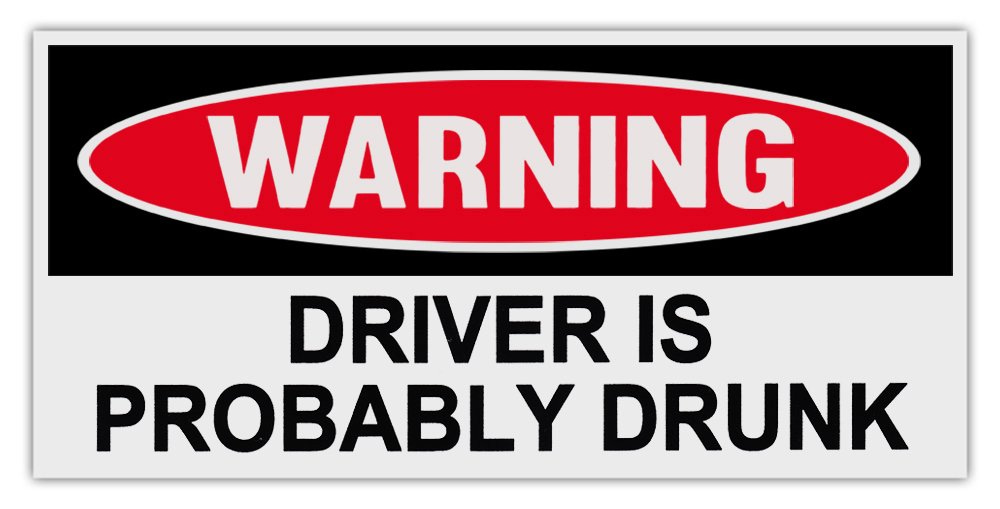
You might read in the linked article above that a handful of defense attorneys took issue with this little stunt on the grounds that belittling and embarrassing people is not appropriate in a court of law. The threat of jail time should be sufficient after all, right?
I can’t blame them for having this opinion—they have billable hours to consider, after all—but to those of us without a financial incentive to be offended by such a direct practice I’d point to decades of social science that tells us this type of punishment is extremely effective at preventing continued undesirable social behavior.
We’re social creatures. It shouldn’t come as a surprise to any of us that a threat to our social status would be an effective motivator for changing negative behavior.
Drunk driving is just an example. We’ve seen this played out many times before. As a form of community service, we make people wear safety vests and pick up trash or clean graffiti on the side of highways. Defensive driving schools are hosted in crowded restaurants where patrons can see the goobers that couldn’t keep their feet off the gas pedal as they drove past a state trooper trying to enjoy a doughnut.
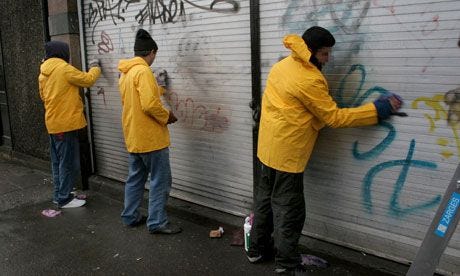
There are more intense forms of social castigation being used as a form of punishment, but these more relatable experiences hopefully make it clear that “cruel and unusual” is in the eye of the beholder, so to speak.
Testing the Limits
This subtitle is a bit interesting to think about when it comes to the Eight Amendment. If you think about it in terms of the death penalty, you might think we’ve actually been doing the opposite of testing the limits.
Many states have completely done away with the practice, while others continue to bog the practice down in endless court proceedings and appeals processes.
However, I assert the Eight Amendment has been tested in a completely unique way compared to the other nine that exist within the Bill of Rights. An arbitrary standard has been applied, and now we all have to abide by that arbitrary standard.
Rotting in prison is the arbitrary standard that has been set. With this standard we either expose a potential reformed member of society to violent neighbors on a cell block, or we become unwilling brokers of a relationship between aspiring criminals and seasoned criminals. It’s like a mentorship program from Hell.
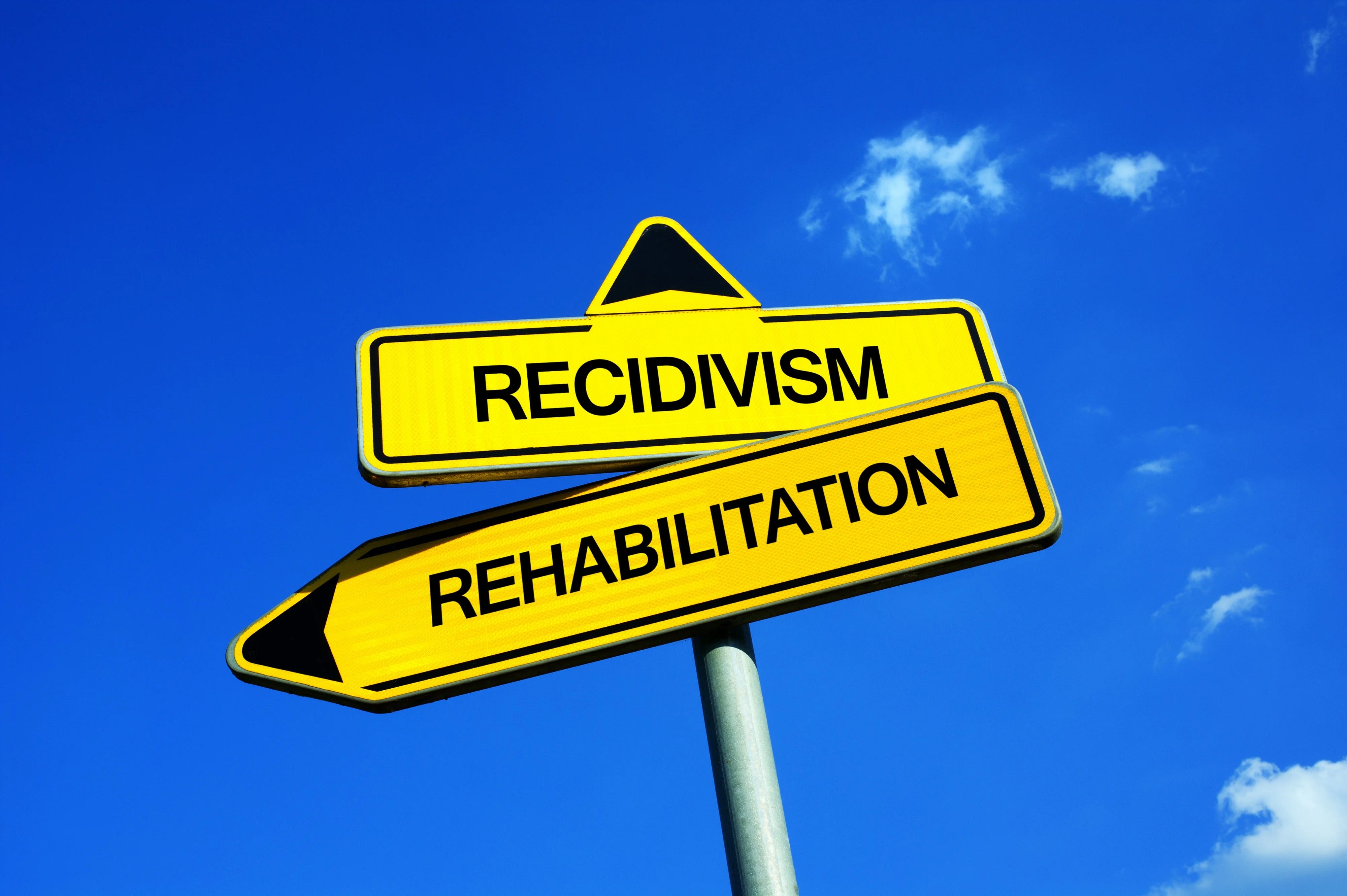
Our current prison system certainly does what it intends to do in many cases. I’ve spoken to reformed convicts more than a few times in my career who appreciate what how the justice system set them straight. However, there are plenty of instances where it feels—justifiably—like the everyday citizen pays taxes that partially fund “Crime University” at their nearest correctional facility.
Punishments that replace jail time with public shaming or social embarrassment offer an alternative solution. Rather than send a kid to jail for swiping beers from the local convenience store, make them restock shelves at the same store for a weekend while they wear a vest that says “I stole from this store.”
Is it embarrassing? Yes.
Does it make you feel bad for the guy? Maybe.
Is it cruel and unusual? Not in my book.
To be perfectly honest, I was the getaway driver back in high school when a buddy of mine stole beer from a gas station (Yes, my department knew about this when I applied because I told them. No, they aren’t looking for angels or boy scouts, just people who take responsibility for their mistakes. Also yes, my parents do read this publication and likely have no idea I did this back in high school. Hi Dad!).

The reason I tell you this is because if I was caught and offered either a month in jail or six months stocking shelves at the gas station I stole from, I’d take the second option.
Cruel and unusual punishment was meant to prevent horrifying acts of brutality, committed by the State. It wasn’t meant to create an arbitrary standard wherein one form of punishment is considered acceptable while all others are deemed cruel and unusual. That’s just not realistic.
We’ve created a one-size-fits-all system where all punishment is handled pretty much the same way. You do something wrong, you get thrown in a cage. It’s timeout for adults. I’d like to think humans can be more creative and constructive than that. And I suspect the founding fathers—who created an entire country—would agree that creative solutions are more effective at solving problems.